How Data Patterns from Past Matches Guide Selections in British Racket Sport Apps During Peak Seasons
Written by Anna Friedrich · Oct 6, 2026

How Data Patterns from Past Matches Guide Selections in British Racket Sport Apps During Peak Seasons
Apps focused on British racket sports such as tennis, squash, and badminton rely on historical match data to shape user selections throughout the year, and peak periods like summer tournaments plus autumn indoor circuits create heightened demand for these tools. Data analysts track patterns in player performance across thousands of past encounters, feeding algorithms that highlight trends in serve accuracy, rally lengths, and recovery times between matches. Users access these insights through mobile platforms where past results filter current options, allowing selections based on consistent variables like surface type or opponent history rather than isolated recent form.
Core Mechanisms Behind Pattern Analysis
Developers build databases from archived match records that span multiple seasons, incorporating variables such as point win percentages on specific court speeds and fatigue indicators from consecutive tournament appearances. These systems cross-reference individual player statistics against broader league data, revealing correlations that emerge only when large sample sizes undergo processing. For instance, certain athletes demonstrate elevated win rates in October events following strong September showings, a pattern that apps flag automatically for users reviewing selection criteria. Machine learning models update continuously as new results enter the system, refining predictions without manual intervention.
Seasonal Adjustments in British Contexts
Peak seasons in the UK align with major calendar events including Wimbledon fortnight and subsequent grass-to-hard court transitions, while October 2026 brings indoor circuits that shift emphasis toward enclosed venue metrics. Apps adjust weighting factors during these windows, prioritizing data subsets from similar conditions in prior years to match current environmental factors like humidity levels or lighting variations. Observers note that selection interfaces simplify during these peaks, surfacing pre-filtered options derived from historical clusters rather than raw datasets. This approach reduces user overload while maintaining access to underlying statistics for those who expand detailed views.
Integration with User Interfaces
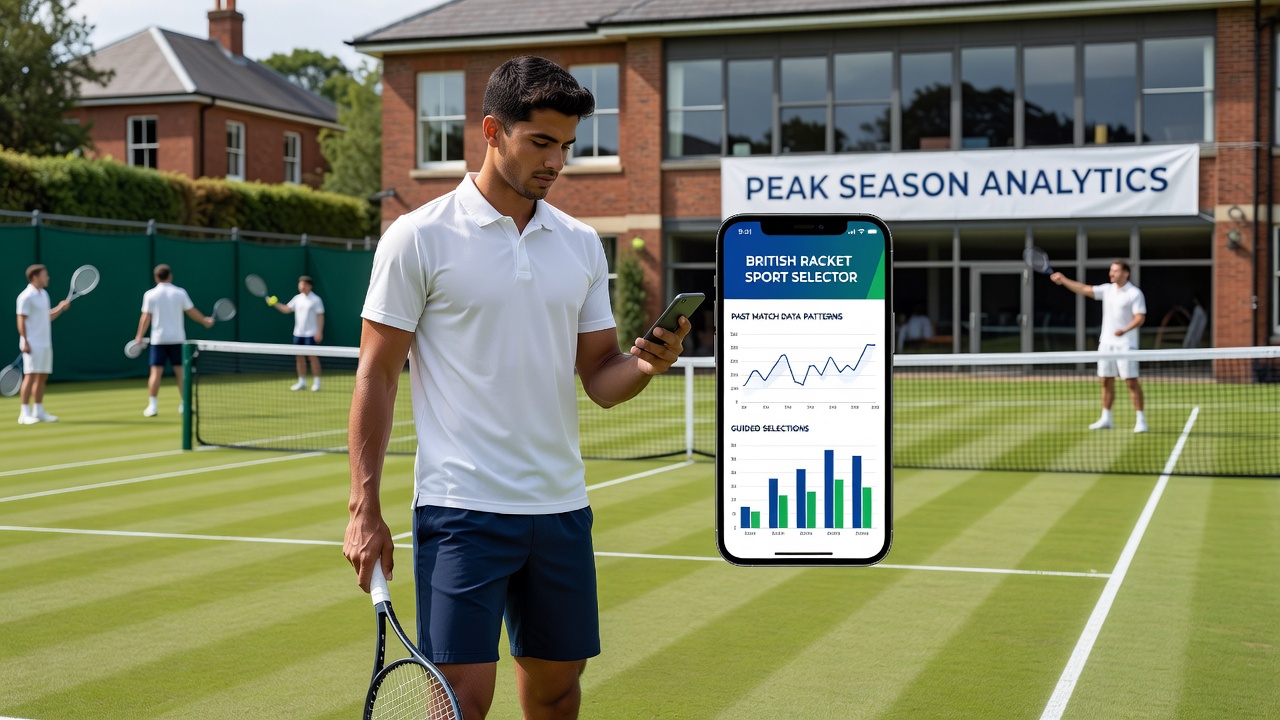
Interface designs present pattern summaries through interactive charts that update in real time as selections change, connecting past match outcomes directly to current probabilities. British users encounter prompts that link specific racket sport data points, such as backhand error rates in prolonged rallies, to upcoming fixtures. External resources like reports from the Australian Sports Commission provide comparative benchmarks that some apps incorporate for cross-regional validation. The process maintains focus on factual aggregates, where algorithms calculate averages from verified match logs rather than speculative projections.
Additional layers include opponent-specific histories that apps compile from tournament archives, enabling selections weighted toward proven advantages in head-to-head records. During high-traffic periods, servers prioritize delivery of these refined outputs to handle increased query volumes without latency. Research from institutions such as the Sports Science Institute documents how such pattern recognition improves consistency across user groups when applied systematically to racket sport datasets.
Challenges in Data Volume Management
High volumes of match records require robust filtering protocols to isolate relevant patterns amid noise from less comparable events, and developers implement tiered storage solutions that prioritize recent peak-season data while retaining older baselines for trend validation. British apps often segment datasets by region and surface category to accelerate retrieval during October surges, when indoor tournaments generate fresh inputs daily. Accuracy depends on complete logging from governing bodies and tournament organizers, with gaps in older records addressed through statistical imputation techniques that maintain overall integrity.
Future Developments in Pattern Utilization
Advancements in sensor technology feed more granular inputs into existing frameworks, capturing metrics like racket swing velocities that supplement traditional scoreline data. British developers test expanded models ahead of anticipated 2026 schedules, ensuring compatibility with evolving app ecosystems. Those who study these systems report steady integration of multi-sport correlations, where tennis patterns inform squash selections when shared physical demands appear across records. Continuous refinement keeps outputs aligned with verified historical evidence.
Conclusion
Pattern-driven selections in British racket sport apps rest on structured analysis of past matches, delivering objective guidance during seasonal peaks through refined data processing and interface adaptations. As October 2026 approaches, these tools continue evolving with incoming results while preserving reliance on established records. The approach supports informed user decisions grounded in measurable trends across tennis, squash, and badminton archives.